
 Australia
 Canada
 Cayman Islands
 Dominican Republic
 Hong Kong
 Indonesia
 Ireland
 Jamaica
 New Zealand
 Singapore
 Thailand
 United Kingdom
 United States
 Vietnam

You're not alone. Many people think a healthy diet means eating salads all day, avoiding rice or giving up their favourite foods. But healthy eating doesn't have to be that difficult.
A good diet plan should fit your lifestyle, budget and food preferences. You don't need expensive superfoods or complicated recipes to get started.
Here are seven simple habits that can make everyday eating healthier and easier.
1. Start Your Day With a High-Protein BreakfastIf you often feel hungry soon after breakfast, take a look at what's on your plate.
A breakfast that includes protein and fibre may help you feel satisfied for longer.
Some easy high-protein breakfast ideas include:
Eggs with whole-wheat toast and vegetables
Paneer bhurji with roti
Greek yoghurt with fruit and nuts
Besan chilla with curd
Oats with milk, seeds and nuts
Choose something you actually enjoy. The best breakfast is one that works for your routine and nutritional needs.
2. Follow a Simple Balanced Diet ChartYou don't need to measure every bite to start eating better.
A balanced plate is a useful starting point. Try filling around half your plate with vegetables and fruit, one-quarter with protein-rich foods, and the remaining quarter with whole grains or other nutritious carbohydrates.
For example, lunch could be dal, rice, vegetables and curd. Dinner might include roti, paneer or tofu, and seasonal vegetables.
This simple approach can help you include a wider variety of nutrients without following strict food rules.
3. Choose Healthy Snacks Instead of Skipping FoodFeeling hungry between meals is normal.
Rather than ignoring your hunger, keep a few nutritious snacks available.
Some healthy snack ideas include:
Roasted chana
Fruit with unsalted nuts
Plain yoghurt with berries
Vegetable sticks with hummus
Boiled eggs
Whole-grain toast with peanut butter
If you're looking for healthy snacks for weight loss, remember that portion sizes and your overall eating pattern matter more than any single snack.
4. Include Protein and Fibre in Your MealsProtein helps maintain muscles and supports many important body functions. Fibre supports digestive health and regular bowel movements.
You can get these nutrients from everyday foods.
Protein-rich foods include lentils, beans, eggs, fish, chicken, paneer, tofu and yoghurt.
Good fibre sources include fruits, vegetables, oats, beans, seeds and whole grains.
Try adding one protein source and one fibre-rich food to your main meals. It's a small change that can make your diet more balanced.
5. Plan Your Meals Without Making Things ComplicatedMeal planning doesn't mean cooking seven different meals every Sunday.
Start with something manageable.
Wash vegetables in advance, keep fruit at home, prepare lentils or beans, and decide what you'll cook for the next two days.
Some simple meal prep ideas include overnight oats, cooked chickpeas, chopped vegetables and homemade vegetable soup.
Planning ahead can save time, reduce food waste and make nutritious choices more convenient when you're busy.
6. Adjust Your Diet to Your Health GoalsNot everyone needs the same diet.
Someone trying to gain weight may need additional meals or energy-dense foods. Someone managing their weight may benefit from adjusting portions, food choices and physical activity.
People with PCOS, diabetes, thyroid conditions or specific nutritional needs may require more individualised guidance.
For example, a PCOS diet plan should focus on an overall balanced eating pattern rather than unnecessarily banning entire food groups. Diabetes meal planning may also involve paying attention to carbohydrate portions and medication needs.
Pregnancy and postpartum nutrition have additional requirements, so general online diet charts should not replace personalised professional advice.
The important thing is to choose an approach that suits your own health, rather than copying someone else's routine.
7. Be Consistent, Not PerfectYou can eat nutritious meals and still enjoy pizza, sweets or a family celebration.
Healthy eating isn't about following rules perfectly every day.
If you miss breakfast, eat more than usual at a party or have a busy week, you haven't ruined your progress.
Return to your normal routine at the next opportunity.
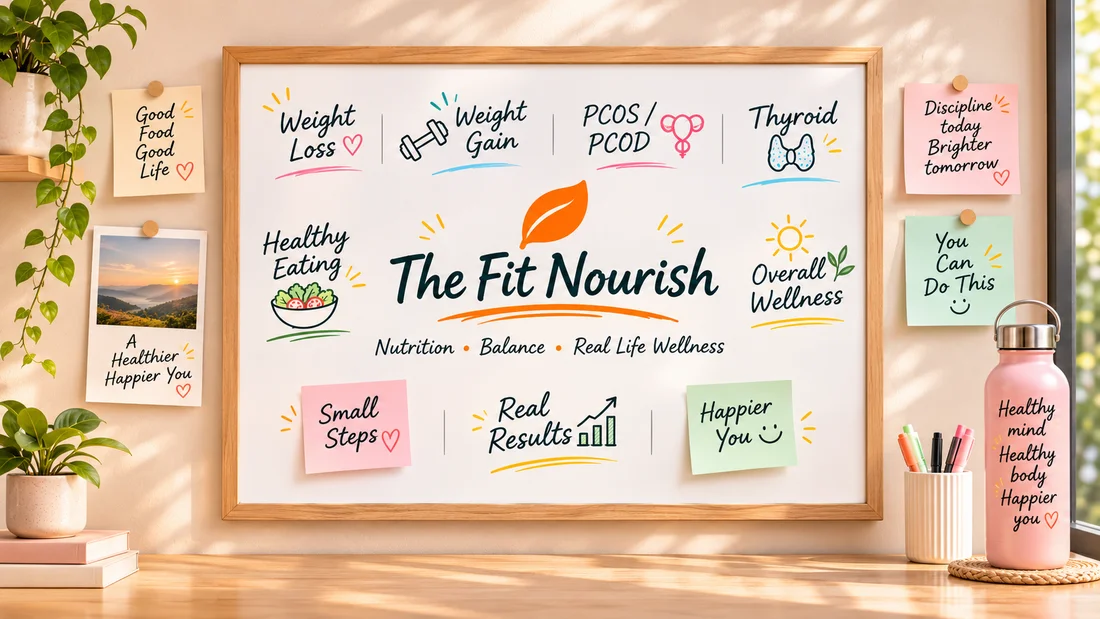
At The Fit Nourish, we focus on practical nutrition habits that people can build into their everyday lives. Small changes, followed consistently, are often easier to maintain than restrictive diet plans.
A Simple One-Day Healthy Meal PlanHere's an example of what balanced eating could look like:
Breakfast: Besan chilla with curd and fruit
Mid-morning: An apple or another seasonal fruit
Lunch: Roti, dal, mixed vegetables and salad
Evening snack: Roasted chana or yoghurt
Dinner: Vegetable khichdi with paneer or tofu and a side of vegetables
This is an example, not a complete diet prescription. Portions, snacks and meal choices should be adjusted according to individual nutritional requirements.
Frequently Asked QuestionsCan I eat rice while trying to lose weight?Yes. Rice can be part of a balanced diet. Your overall energy intake, portions and food combinations matter more than avoiding rice completely.
What is the best healthy diet plan for beginners?A practical diet that includes vegetables, fruits, protein, whole grains and healthy fats, while matching your personal needs and preferences.
Do I need to eat six meals a day?No. There is no single meal frequency that works for everyone. Choose a schedule that suits your hunger, daily routine and health needs.
Can I follow a healthy diet without going to the gym?Yes. Nutritious eating is valuable regardless of exercise habits. Physical activity provides additional benefits, and both can support overall health.
Final ThoughtsHealthy eating doesn't need a perfect routine or an expensive grocery list.
Start with one useful change. Add protein to breakfast, include more vegetables at lunch or prepare a healthy snack before leaving for work.
Once that becomes part of your routine, build another habit.
A healthy diet is not about eating perfectly. It's about making food choices that support your health and fit into your everyday life.