
 Australia
 Canada
 Cayman Islands
 Dominican Republic
 Hong Kong
 Indonesia
 Ireland
 Jamaica
 New Zealand
 Singapore
 Thailand
 United Kingdom
 United States
 Vietnam

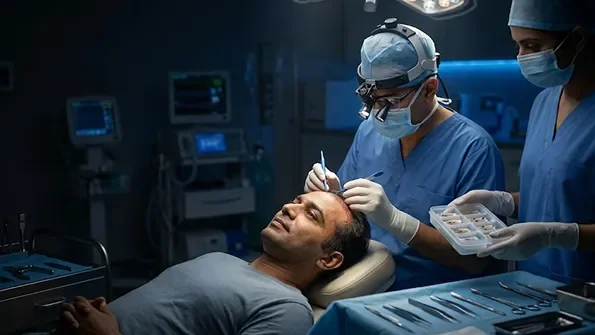
Hair loss is a common concern that affects both men and women, often impacting confidence and self-image. Thanks to modern medical advancements, hair restoration has become safer, more effective, and capable of delivering natural-looking results. Two of the most popular techniques available today are FUE hair transplant and DHI hair transplant.
If you're considering hair transplant surgery, understanding these procedures and choosing an experienced hair transplant doctor can help you make an informed decision. This guide explains everything you need to know, including benefits, procedure steps, recovery, and frequently asked questions.
What Is a Hair Transplant?
A hair transplant is a minimally invasive surgical treatment that moves healthy hair follicles from a donor area—usually the back or sides of the scalp—to areas affected by hair thinning or baldness.
The primary objective is to restore natural hair growth while maintaining a balanced hairline and long-term density.
What Is FUE Hair Transplant?
FUE hair transplant (Follicular Unit Extraction) is one of the most advanced and widely used hair restoration techniques.
In this method, individual hair follicles are extracted directly from the donor area using specialized instruments and then implanted into the recipient area.
Benefits of FUE Hair Transplant
Minimally invasive procedure No large linear scar Faster recovery compared to traditional methods Natural-looking hairline Suitable for various stages of hair loss High graft survival when performed by experienced specialistsBecause of these advantages, FUE has become one of the most recommended hair restoration techniques worldwide.
What Is DHI Hair Transplant?
DHI hair transplant (Direct Hair Implantation) is an advanced version of hair restoration where extracted follicles are implanted directly using a specialized implantation device.
Unlike some conventional approaches, DHI focuses on precise placement and angle control for each graft.
Benefits of DHI Hair Transplant
Precise graft placement Natural hair direction Minimal handling of follicles Faster implantation process Reduced tissue trauma Excellent cosmetic resultsMany patients choose DHI when they want improved density and natural hairline design.
FUE Hair Transplant vs DHI Hair Transplant
Feature
FUE Hair Transplant
DHI Hair Transplant
Extraction Method
Individual follicle extraction
Individual follicle extraction
Implantation
Recipient sites prepared before implantation
Direct implantation using specialized tool
Hairline Precision
Excellent
Highly precise
Recovery
Fast
Fast
Scarring
Minimal
Minimal
Natural Results
Excellent
Excellent
Both techniques provide outstanding results when performed by an experienced hair transplant doctor.
Understanding the Hair Transplant Procedure
Many patients worry about the treatment process. Here's a step-by-step overview of a typical hair transplant procedure.
Step 1: Initial Consultation
Your doctor evaluates:
Hair loss pattern Donor area quality Medical history Hair density Treatment goalsA personalized restoration plan is then created.
Step 2: Hairline Design
An experienced hair transplant doctor carefully designs a hairline that matches your facial features and age.
Natural hairline planning is one of the most important factors in achieving realistic results.
Step 3: Donor Hair Extraction
Healthy follicles are extracted individually from the donor area using advanced instruments.
The extraction process is performed under local anesthesia for patient comfort.
Step 4: Hair Implantation
Depending on the selected technique:
FUE Hair Transplant
Hair follicles are implanted into carefully prepared recipient sites.
DHI Hair Transplant
Hair follicles are implanted directly using a specialized implantation pen for greater precision.
Step 5: Recovery and Follow-Up
Patients receive detailed aftercare instructions to support healing and promote healthy hair growth.
Regular follow-up appointments allow the doctor to monitor progress.
Who Is a Good Candidate for Hair Transplant Surgery?
You may be a suitable candidate if you have:
Male pattern baldness Receding hairline Crown thinning Stable donor area Good overall health Realistic expectationsWomen experiencing pattern hair loss may also qualify after medical evaluation.
Why Choosing the Right Hair Transplant Doctor Matters
Technology alone does not guarantee successful results.
An experienced hair transplant doctor understands:
Hairline aesthetics Donor area preservation Natural hair direction Density planning Long-term hair loss progressionSelecting a qualified specialist significantly improves the chances of achieving natural and long-lasting results.
Hair Transplant Surgery Recovery Timeline
First Week
Mild redness Small scabs Temporary swellingThese symptoms usually improve within a few days.
First Month
Many patients experience temporary shedding of transplanted hair.
This is a normal part of the hair growth cycle and should not be mistaken for treatment failure.
Three to Four Months
New hair gradually begins to grow.
Early improvement becomes visible during this stage.
Six to Nine Months
Hair density continues to improve.
Most patients notice significant cosmetic changes.
Twelve Months
Final results are typically achieved, with thicker and more natural-looking hair.
Tips for Better Hair Transplant Results
Follow all post-procedure instructions Avoid smoking during recovery Eat a protein-rich diet Stay hydrated Protect the scalp from direct sunlight Attend scheduled follow-up appointmentsProper aftercare plays an important role in long-term success.
Common Myths About Hair Transplant Surgery
Myth 1: Hair transplant looks unnatural.
Modern FUE hair transplant and DHI hair transplant techniques can create highly natural-looking hairlines when performed correctly.
Myth 2: Hair transplant surgery is extremely painful.
The procedure is performed under local anesthesia, making it comfortable for most patients.
Myth 3: Results appear immediately.
Hair restoration is a gradual process, and full results generally develop over several months.
Frequently Asked Questions (FAQs)
1. What is the difference between FUE hair transplant and DHI hair transplant?
FUE involves extracting follicles and implanting them into prepared sites, while DHI hair transplant uses a specialized implantation tool for direct placement and enhanced precision.
2. Is hair transplant surgery permanent?
Transplanted follicles are generally resistant to hair loss and can provide long-lasting hair growth when performed by an experienced hair transplant doctor.
3. How long does a hair transplant procedure take?
The duration depends on the number of grafts being transplanted, but most procedures are completed within a single day.
4. How do I choose the best hair transplant doctor?
Look for qualifications, experience, patient reviews, before-and-after results, and personalized consultation rather than selecting based only on price.
5. Which is better: FUE hair transplant or DHI hair transplant?
Both techniques deliver excellent results. The best option depends on your hair loss pattern, donor area, desired density, and your doctor's recommendation.
6. When will I see the final results?
Initial growth usually starts within three to four months, while final results are commonly visible between nine and twelve months.
Conclusion
Both FUE hair transplant and DHI hair transplant are advanced solutions for restoring hair and confidence. The right choice depends on your individual needs, hair loss pattern, and treatment goals. A personalized consultation with an experienced hair transplant doctor is the best way to determine the most suitable hair transplant procedure for achieving natural, long-lasting results.