
 Australia
 Canada
 Cayman Islands
 Dominican Republic
 Hong Kong
 Indonesia
 Ireland
 Jamaica
 New Zealand
 Singapore
 Thailand
 United Kingdom
 United States
 Vietnam

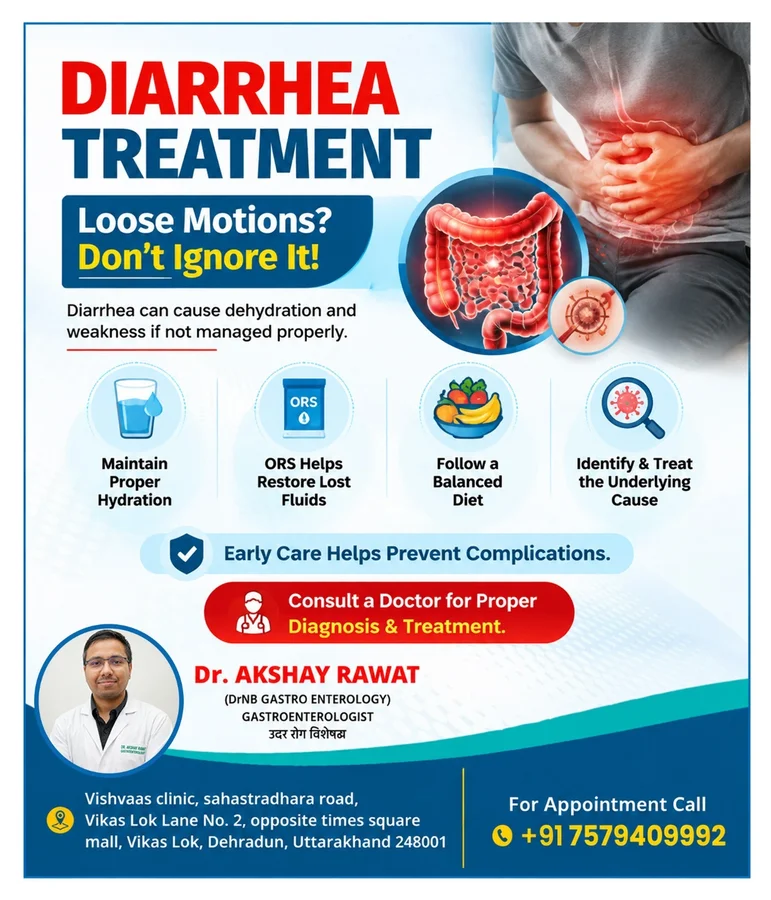
Diarrhea, commonly known as loose motions, is a digestive problem that affects people of all ages. It occurs when a person passes loose or watery stools more frequently than usual. Sometimes, diarrhea lasts for only a day or two, but in other cases, it may continue for a longer period and require medical attention. If not managed properly, diarrhea can lead to dehydration, weakness, and a loss of essential fluids and minerals from the body.
If you are looking for diarrhea treatment in Dehradun, understanding the causes, symptoms, prevention methods, and available treatment options can help you take better care of your digestive health. Dr. Akshay Rawat, a gastroenterologist in Dehradun, provides specialized care for digestive system problems and can help patients understand the possible causes of their symptoms and the appropriate next steps.
What Is Diarrhea?Diarrhea is a condition in which a person experiences loose or watery stools, usually three or more times in a day. It may occur suddenly and improve within a few days, or it may continue for several weeks, depending on the underlying cause.
Diarrhea can affect daily activities, appetite, sleep, and overall comfort. Some people may experience mild symptoms, while others may develop abdominal cramps, nausea, fever, or signs of dehydration.
Although occasional loose motions may not always indicate a serious health problem, frequent or persistent diarrhea should not be ignored. Proper assessment can help identify the cause and reduce the risk of complications.
Common Causes of DiarrheaDiarrhea can develop for several reasons. Identifying the underlying cause is important for choosing the right treatment.
1. Food Contamination: Eating contaminated food or drinking unsafe water can introduce harmful bacteria, viruses, or parasites into the digestive system. These infections may cause sudden loose motions, abdominal pain, nausea, and vomiting.
2. Viral Infections: Certain viruses can affect the digestive tract and cause diarrhea. These infections may spread through contaminated food, water, or close contact with an infected person.
3. Bacterial Infections: Bacteria such as certain strains of E. coli, Salmonella, and Campylobacter can cause intestinal infections. Symptoms may include diarrhea, stomach cramps, fever, and sometimes blood in the stool.
4. Food Intolerance: Some people have difficulty digesting particular foods, such as milk and dairy products containing lactose. This may lead to bloating, gas, abdominal discomfort, and loose motions.
5. Digestive Disorders: Conditions such as irritable bowel syndrome (IBS), inflammatory bowel disease, and other intestinal disorders may cause recurring diarrhea. When symptoms happen frequently, a medical evaluation can help determine whether an underlying digestive condition is present.
6. Medicines: Some medicines, including certain antibiotics, may cause diarrhea as a side effect. Do not stop prescribed medication without consulting your healthcare professional.
Common Symptoms of DiarrheaThe symptoms of diarrhea can vary from person to person. Common symptoms include:
Frequent loose or watery stools
Abdominal pain and stomach cramps
Bloating and gas
Nausea or vomiting
Urgent need to use the toilet
Weakness and tiredness
Reduced appetite
Dehydration is one of the main concerns associated with diarrhea. Warning signs may include excessive thirst, dry mouth, dark urine, reduced urination, dizziness, and unusual weakness.
Seek urgent medical care if diarrhea is accompanied by blood or black stools, severe abdominal pain, confusion, fainting, inability to keep fluids down, or signs of severe dehydration. Infants, older adults, and people with weakened immunity may need medical attention sooner.
Why Is Proper Diarrhea Treatment Important?Many mild cases of diarrhea improve within a few days. However, ongoing loose motions can cause the body to lose water and important electrolytes, including sodium and potassium. If these losses are not replaced, dehydration can develop.
Proper treatment focuses on replacing lost fluids, managing symptoms safely, and identifying the underlying cause when necessary. Treatment may differ depending on whether diarrhea is caused by an infection, food intolerance, medication, or a chronic digestive disorder.
Taking medicines without understanding the cause can sometimes be harmful. For example, certain anti-diarrheal medicines may not be appropriate for people with fever or bloody stools. Antibiotics are also not necessary for every case of diarrhea and should only be used when medically indicated.
Home Care Tips for Loose MotionsSimple measures can help support recovery from mild diarrhea.
1. Maintain Proper Hydration: Drink fluids regularly to replace the water lost through loose motions. Oral rehydration solution (ORS) is particularly useful because it helps replace both fluids and electrolytes. Prepare ORS according to the instructions on the packet.
2. Eat Easily Digestible Foods: Choose foods that you can tolerate comfortably, such as rice, bananas, potatoes, toast, soup, and other simple meals. Eat smaller portions if your appetite is reduced.
3. Avoid Foods That Worsen Symptoms: Spicy, greasy, and very fatty foods may increase discomfort in some people. Limit sugary drinks and fruit juices with high sugar content, as they can worsen diarrhea. Temporarily avoid dairy products if they make your symptoms worse.
4. Maintain Good Hygiene: Wash your hands with soap and water after using the toilet and before preparing or eating food. Use clean drinking water and ensure food is properly cooked and stored.
5. Take Adequate Rest: Rest can help you manage weakness and fatigue while recovering. Continue replacing fluids throughout the day.
Home care is not a substitute for medical evaluation when symptoms are severe, persistent, or accompanied by warning signs.
Diarrhea Treatment in Dehradun by Dr. Akshay RawatIf you are experiencing repeated loose motions, abdominal discomfort, or digestive problems that do not improve, consulting a gastroenterologist may help you understand what is causing your symptoms.
Dr. Akshay Rawat is a gastroenterologist in Dehradun who provides care for digestive system conditions. A consultation may involve reviewing your symptoms, medical history, recent food intake, medications, and hydration status. Depending on your condition, the doctor may recommend appropriate tests to investigate possible infections or other digestive disorders.
Treatment is based on the cause and severity of the problem. It may include fluid replacement, dietary guidance, medication when appropriate, and further investigation if symptoms continue or recur.
People who frequently experience diarrhea may need assessment for food intolerance, IBS, intestinal inflammation, or other underlying conditions. Early evaluation can help guide suitable care and prevent avoidable complications.
When Should You Consult a Gastroenterologist?You should consider seeking medical advice if:
Loose motions continue for more than two days in an adult without improvement.
Diarrhea keeps returning.
You experience unexplained weight loss or persistent digestive discomfort.
You notice blood in your stool.
You have fever, significant abdominal pain, or repeated vomiting.
You experience reduced urination, dizziness, or other signs of dehydration.
Seek urgent medical care for severe symptoms rather than waiting for a routine appointment. Children, older adults, and people with existing medical conditions may require earlier assessment.
How to Prevent DiarrheaPrevention begins with everyday hygiene and safe food habits. Wash fruits and vegetables thoroughly, eat freshly prepared and properly cooked food, drink safe water, and avoid food that may have been stored improperly. Wash your hands before eating and after using the toilet.
When travelling, be cautious with untreated water, ice of uncertain origin, and raw or undercooked foods. Maintaining good hygiene can reduce the risk of many infections that cause diarrhea.
A balanced diet, appropriate food handling, and timely medical advice for recurring digestive symptoms can also support long-term digestive health.
ConclusionDiarrhea is a common digestive problem, but frequent or severe loose motions should not be ignored. Dehydration, weakness, and electrolyte loss can develop if the body does not receive enough fluids. Drinking ORS when appropriate, eating foods that are easy to tolerate, and maintaining good hygiene can support recovery from mild cases.
If you are searching for diarrhea treatment in Dehradun, Dr. Akshay Rawat can be a point of contact for professional evaluation of digestive symptoms. The right treatment depends on the underlying cause, so persistent or severe symptoms should be assessed by a qualified healthcare professional.
Consultation: Dr. Akshay Rawat, Gastroenterologist
Clinic: Vishvaas Clinic, Sahastradhara Road, Vikas Lok, Lane No. 2, opposite Times Square Mall, Vikas Lok, Dehradun, Uttarakhand 248001
Appointment Contact: +91 75794 09992